

Human Resources (HR) plays a vital role in every organization, ensuring that people — the company’s most valuable asset — are effectively managed, developed, and supported. The HR department’s functions go far beyond hiring and payroll; they encompass the entire employee lifecycle, from recruitment to retention. Below are the seven key functions of HR that contribute to building a strong and productive workforce.
The 7 Functions of Human Resources (HR)
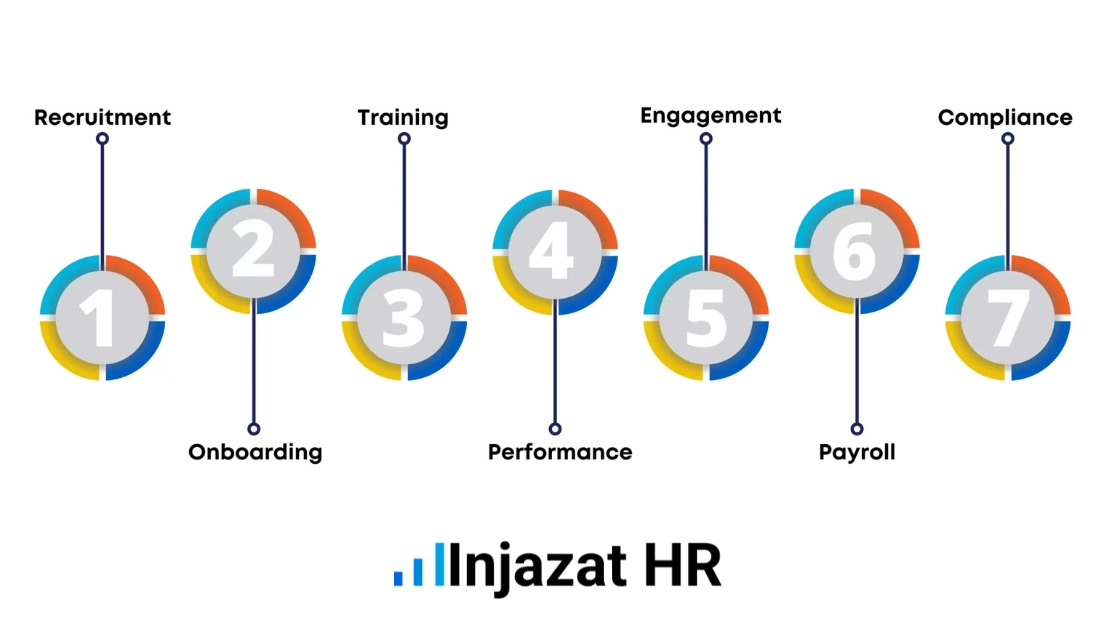
1. Recruitment and Selection
Recruitment and selection form the foundation of HR’s responsibilities. This function involves attracting, sourcing, interviewing, and hiring the right candidates to fill open positions. Effective recruitment ensures that the organization has the skills and talent it needs to achieve its goals. HR professionals use tools like job portals, employee referrals, and professional networking platforms to identify qualified candidates while maintaining fairness and compliance during the hiring process.
2. Training and Development
Once employees are onboard, HR focuses on training and professional development. These programs aim to enhance employees’ current skills and prepare them for future roles within the company. Training might include onboarding sessions, technical workshops, leadership development programs, or soft skills enhancement. By investing in employee growth, HR helps increase engagement, performance, and retention.
3. Performance Management
Performance management involves creating systems to evaluate, monitor, and improve employee performance. HR develops performance appraisal processes, sets key performance indicators (KPIs), and facilitates feedback sessions between managers and employees. This function ensures that individual goals align with organizational objectives, motivating employees to achieve higher standards of performance and productivity.
4. Compensation and Benefits
Compensation and benefits are essential for attracting and retaining top talent. HR is responsible for designing and managing salary structures, bonuses, health insurance, retirement plans, and other employee perks. The goal is to maintain a fair, competitive, and motivating compensation system that reflects both market trends and company policies. Transparent and equitable compensation practices also foster employee trust and satisfaction.
5. Employee Relations
Strong employee relations are crucial for maintaining a positive and productive workplace environment. This HR function focuses on resolving conflicts, managing grievances, promoting open communication, and ensuring mutual respect among employees and management. By fostering collaboration and addressing issues early, HR contributes to a healthy organizational culture that supports teamwork and morale.
6. Compliance and Legal Matters
HR departments must ensure that the organization complies with all labor laws, health and safety regulations, and employment standards. This includes managing documentation, handling disciplinary actions properly, and keeping the company updated on legal changes. By maintaining compliance, HR protects both the organization and its employees from potential legal risks.
7. HR Strategy and Analytics
In today’s data-driven business environment, HR strategy and analytics have become critical. This function involves using data to make strategic workforce decisions—such as forecasting hiring needs, analyzing turnover rates, and measuring employee engagement. HR analytics helps leaders understand workforce trends and make informed decisions that improve performance, retention, and organizational success.
How Injazat HR Can Help Businesses in Saudi Arabia?
Injazat HR provides a comprehensive HR management platform tailored to the Saudi market, helping organizations automate and simplify the seven HR functions while ensuring full compliance with local requirements.
1. Automates Local Payroll
Injazat HR automates payroll in line with the Saudi Wages Protection System (WPS). It generates payroll data in the required format, enabling direct salary transfers to employee bank accounts — ensuring transparency and legal compliance.
2. Manages Social Insurance
The system automatically calculates and manages GOSI (General Organization for Social Insurance) contributions for both Saudi and non-Saudi employees, reducing errors and administrative workload.
3. Simplifies Compliance
Injazat HR integrates seamlessly with the Muqeem platform to update Iqama and passport data in real time. This ensures compliance with government regulations and eliminates manual data entry errors.
4. Reduces Administrative Tasks
By automating key HR processes such as attendance, payroll, and leave management, Injazat HR can cut administrative time by up to 50%, freeing HR teams to focus on strategic initiatives rather than routine paperwork.
5. Improves Data Accuracy and Insights
Centralizing all employee data into one secure platform enhances data accuracy and provides actionable insights through real-time dashboards. HR managers can easily track performance, identify risks, and plan strategically.
Conclusion
The seven functions of HR — from recruitment and training to analytics and compliance — are essential for building a strong and compliant workforce. With Injazat HR, Saudi businesses can automate these functions, stay aligned with local labor laws, and gain valuable insights into their workforce. The result is greater efficiency, improved compliance, and a more empowered HR team ready to drive business success.